
 English
Views: 0 Author: Site Editor Publish Time: 2025-10-30 Origin: Site


Imagine facing a threat without protection—daunting, right? Body armor is crucial for safety in dangerous situations. Understanding its materials is vital for choosing the right protection. In this post, you'll learn about the evolution of body armor materials, from ancient leather to modern composites like Kevlar and Dyneema. We'll explore their strengths, weaknesses, and how they shape today's protective gear.
Body armor’s origins trace back thousands of years, beginning with materials like leather, bronze, and chainmail. Early warriors used leather because it was flexible and somewhat resistant to cuts and blows. Bronze armor provided better protection due to its hardness but was heavier and less flexible. Chainmail, made from interlinked metal rings, offered a balance of flexibility and defense, especially against slashing weapons.Despite their effectiveness against swords and arrows, these materials offered limited protection against early firearms. They were primarily designed to defend against edged weapons and blunt force trauma.
As firearms became more prevalent, armor makers shifted to steel and iron. These metals could better resist bullets and shrapnel than earlier materials. Steel breastplates and helmets became common among soldiers from the medieval period through World War I.However, steel and iron armor were heavy and cumbersome. Soldiers wearing these faced reduced mobility and increased fatigue. The weight also limited the duration they could wear armor comfortably.
The lessons learned from early armor materials influence modern body armor design today. The need to balance protection and mobility remains a top priority. Modern armor combines hard plates for stopping power with soft, flexible layers for comfort.For example, steel’s durability inspired the use of steel plates in hard armor, while the flexibility of chainmail paved the way for woven fibers like Kevlar. Innovations in materials science now allow for lightweight composites that protect against bullets without the bulk of traditional metal armor.
Modern body armor uses advanced materials designed to protect against bullets and other threats while keeping wearers mobile and comfortable. Unlike historical armor made from heavy metals, today’s armor relies on high-tech fibers and composites. These materials include Kevlar, Dyneema, Spectra Shield, ceramics, and steel or titanium plates. Each offers a unique balance of weight, flexibility, and protection.Soft armor typically features woven fibers like Kevlar or ultra-high-molecular-weight polyethylene (UHMWPE) variants such as Dyneema and Spectra Shield. These fabrics absorb and disperse energy from handgun rounds and some shrapnel. For rifle threats, hard armor plates made from ceramics or steel are used. These plates stop high-velocity rounds by breaking or deforming bullets on impact.
Modern materials vastly outperform historical armor in many ways:
Weight: Early armor like steel breastplates was heavy, restricting movement. Modern fibers are lightweight, allowing long wear without fatigue.
Flexibility: Leather and chainmail offered some flexibility, but lacked bullet resistance. Materials like Kevlar provide soft, flexible protection.
Protection level: Historical armor protected mainly against edged weapons and blunt force. Modern armor is engineered to stop bullets, including armor-piercing rounds.
Durability and lifespan: Metals corrode and dent; modern composites resist moisture, UV, and chemicals, extending service life.
Layering: Modern armor combines soft and hard layers to maximize protection and comfort, a concept absent in historical designs.
For example, Kevlar fibers are five times stronger than steel by weight, providing superior ballistic resistance with less bulk. Meanwhile, ceramic plates shatter bullets on impact, a mechanism not possible with metal armor alone.
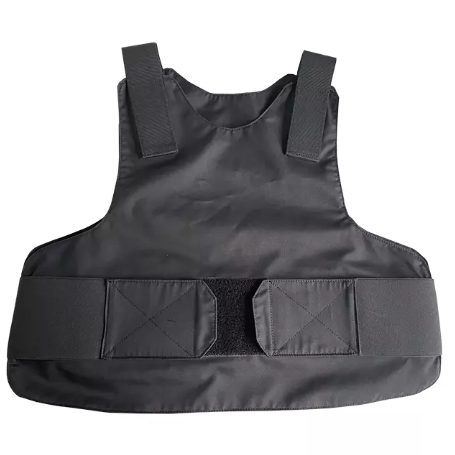
Kevlar is a synthetic fiber known as a para-aramid. It was developed by DuPont in the 1960s and quickly became a game-changer in protective gear. Kevlar fibers are incredibly strong—about five times stronger than steel by weight. These fibers are woven tightly to create a fabric that can absorb and disperse the energy of bullets, shrapnel, and stabbing attacks.Because Kevlar is lightweight and flexible, it offers protection without restricting movement. This makes it ideal for soft body armor like bulletproof vests, which many law enforcement officers and security personnel wear daily.
Kevlar's main strength lies in its ability to stop handgun rounds and some sharp objects while remaining flexible and relatively lightweight. Its tightly woven fibers catch and slow down bullets, spreading the force over a larger area to reduce injury.However, Kevlar does have some limitations. It is less effective against high-velocity rifle rounds, which require additional hard armor plates for protection. Kevlar can also degrade over time when exposed to moisture, UV light, and bodily oils, which may reduce its ballistic performance. Additionally, it can be bulky when multiple layers are needed for higher protection levels.
Kevlar is widely used in soft body armor designed to protect against pistol rounds, such as 9mm or .44 Magnum bullets. Police officers, security guards, and civilians often rely on Kevlar vests for everyday protection because these vests balance safety and comfort.In military or high-threat environments, Kevlar is frequently combined with hard armor plates made from ceramic or steel to defend against rifle fire. This layered approach maximizes protection while still allowing some flexibility.Kevlar also finds use beyond body armor. It strengthens helmets, gloves, and even vehicle armor, proving its versatility.
Dyneema is a brand of ultra-high-molecular-weight polyethylene (UHMWPE), a type of synthetic fiber known for its exceptional strength-to-weight ratio. It’s often called the world’s strongest fiber, being about 15 times stronger than steel by weight. Dyneema fibers are made by aligning molecular chains in parallel, creating long, unbroken strands that provide remarkable tensile strength.This material is lightweight, flexible, and resistant to moisture, UV light, and chemicals. These properties make Dyneema ideal for soft body armor applications where comfort and mobility are crucial, as well as for hard armor backers that absorb energy after impact.
Dyneema offers several key advantages for body armor:
Lightweight: It reduces wearer fatigue compared to heavier materials like steel or ceramic.
High strength: It can stop many handgun rounds and some rifle rounds when layered properly.
Moisture and chemical resistance: Unlike some other fibers, Dyneema does not degrade when exposed to water, oils, or UV rays.
Flexibility: It allows for comfortable wear and greater range of motion.
Durability: Resistant to wear and tear, extending armor lifespan.
Because of these benefits, Dyneema is used in various protective gear, including ballistic vests, helmets, and vehicle armor. Its ability to be manufactured in unidirectional sheets allows armor makers to optimize protection while minimizing weight and bulk.
Spectra Shield is another UHMWPE-based material, developed by Honeywell. It shares many properties with Dyneema, such as high tensile strength and light weight. Spectra Shield consists of multiple layers of UHMWPE fibers laminated into thin sheets, offering excellent ballistic protection.
Its design focuses on maximizing energy absorption and dispersal, making it effective at stopping bullets and reducing blunt force trauma. Spectra Shield is also resistant to moisture and UV exposure, ensuring consistent performance in harsh environments.
Both Dyneema and Spectra Shield provide advanced ballistic protection with similar core benefits. Here’s how they compare:
| Feature | Dyneema | Spectra Shield |
|---|---|---|
| Material Type | UHMWPE | UHMWPE |
| Strength-to-Weight | Very high | Very high |
| Flexibility | High | High |
| Moisture Resistance | Excellent | Excellent |
| UV Resistance | Excellent | Excellent |
| Typical Use | Soft armor, hard armor backers | Soft armor, hard armor backers |
| Manufacturer | DSM | Honeywell |
In practice, both materials are often chosen based on manufacturer preference, supply chain availability, or specific armor design requirements. They both enable lightweight, flexible armor capable of stopping handgun rounds and some rifle threats when combined with hard plates.
Ceramic armor plates usually feature a hard strike face made from advanced ceramics such as alumina, silicon carbide, or boron carbide. These materials are extremely hard and brittle. When a bullet hits the ceramic surface, the plate shatters or cracks, which helps break up the bullet and spread its energy over a wider area. Behind the ceramic face, a backing layer often made of ultra-high-molecular-weight polyethylene (UHMWPE) or similar materials catches the bullet fragments and absorbs the remaining energy, preventing penetration.This composite structure combines the hardness of ceramics with the toughness and flexibility of the backing material, providing effective protection against high-velocity rifle rounds, including armor-piercing bullets.
Ceramic plates offer several advantages:
High protection level: They can stop rifle rounds and armor-piercing bullets that soft armor cannot.
Relatively lightweight: When combined with UHMWPE backers, ceramic plates weigh less than traditional steel plates.
Good blunt force resistance: The backing material reduces blunt trauma by absorbing impact energy.
However, there are some drawbacks:
Fragility: Ceramic plates can crack or break upon impact or if dropped, requiring careful handling.
Cost: They tend to be more expensive than steel plates.
Limited multi-hit capability: After a strong impact, the damaged plate may not provide full protection against subsequent hits in the same area.
Steel has been a longstanding material for hard armor plates. Steel plates are very durable and offer consistent protection against many rifle rounds. They are also generally more affordable than ceramic plates. However, steel plates tend to be heavier, which can cause fatigue and limit mobility over long periods.
Titanium is a lighter alternative to steel, offering similar strength but at a higher price point. Despite marketing claims, titanium plates are less common due to cost and limited weight savings compared to ceramic composites.
| Feature | Ceramic + UHMWPE Plates | Steel Plates |
|---|---|---|
| Weight | Lighter, improves mobility | Heavier, can cause fatigue |
| Protection Level | Stops armor-piercing rounds effectively | Good against many rounds, but spalling risk |
| Durability | Can crack or break on impact | Very durable, less prone to damage |
| Multi-hit Capability | Limited after impact | Generally better multi-hit capability |
| Cost | More expensive | More affordable |
| Temperature Resistance | Better resistance to heat and cold | Can be affected by extreme temperatures |
Ceramic plates provide superior protection against high-velocity and armor-piercing rounds while maintaining a lighter weight. Steel plates offer durability and cost advantages but at the expense of weight and potential spalling hazards. The choice depends on the user’s operational needs, budget, and threat environment.
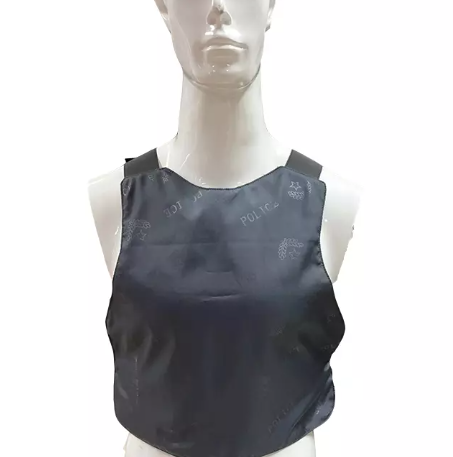
Body armor achieves its effectiveness by combining different materials that work together to stop bullets and reduce injury. Soft armor layers, made from fibers like Kevlar or ultra-high-molecular-weight polyethylene (UHMWPE) such as Dyneema, provide flexibility and absorb energy from handgun rounds. These fibers catch and slow bullets, spreading the force over a wider area to reduce blunt trauma.
For higher threat levels, hard armor plates come into play. Plates made from ceramics or steel add the stopping power needed against rifle rounds. Ceramic plates shatter bullets on impact, breaking them into fragments, while the backing material—often UHMWPE—absorbs the remaining energy and catches fragments. Steel plates offer durable protection but are heavier and can cause spalling (dangerous bullet fragments).
By layering soft armor under or around hard plates, manufacturers balance protection and mobility. The soft layers cushion impacts and improve comfort, while the hard plates stop high-velocity threats. This hybrid design is standard in military and law enforcement gear.
A typical bulletproof vest includes multiple layers, each serving a purpose:
Outer fabric: Durable and abrasion-resistant, protects internal layers.
Soft armor layers: Made from woven or laminated fibers like Kevlar or Dyneema, these layers absorb and disperse bullet energy.
Hard armor plates (optional): Inserted in pockets, ceramic or steel plates stop rifle rounds.
Backing materials: Support hard plates, catching fragments and further absorbing impact energy.
Comfort and moisture barriers: Linings that wick sweat and improve wearability.
The number and type of layers vary based on the protection level. Soft armor alone can stop many handgun rounds, but hard plates are necessary for rifle threats. Proper layering ensures the vest remains flexible and wearable while providing maximum protection.
Choosing body armor means balancing protection, comfort, and practicality. Here are key factors to keep in mind:
Threat level: Understand what types of threats you face. Handgun rounds require different armor than rifle rounds.
Weight and mobility: Heavier armor offers more protection but reduces mobility and causes fatigue.
Comfort and fit: Armor should fit snugly but allow movement. Poor fit reduces protection and can lead to discomfort.
Durability and lifespan: Consider how long the armor will last and how it holds up to wear, moisture, and UV exposure.
Certification: Always choose armor certified by recognized standards like NIJ to ensure reliable protection.
Budget: More protection usually means higher cost. Balance your needs with what you can afford.
Environment: Extreme temperatures, moisture, and physical activity levels affect armor performance and comfort.
Usage scenario: Daily wear, tactical operations, or high-threat combat require different armor types and features.
The National Institute of Justice (NIJ) sets standardized protection levels to help buyers select armor suited to their needs. The old levels (II, IIIA, III, IV) have been updated to new designations:
| Old Level | New Level | Protection Description |
|---|---|---|
| II | HG1 | Protects against common pistol rounds (e.g., 9mm, .357 Magnum) |
| IIIA | HG2 | Higher velocity pistol rounds (e.g., .44 Magnum, 9mm submachine gun) |
| III | RF1 | Rifle rounds like 7.62x51mm NATO, 5.56mm M193 ball |
| IV | RF3 | Armor-piercing rifle rounds (e.g., .30-06 AP) |
| — | RF2 | Intermediate rifle level covering steel-core bullets (e.g., 5.56mm M855) |
Soft armor generally meets HG1 and HG2 levels, protecting against handgun threats. Hard armor plates are necessary for rifle threats covered by RF1, RF2, and RF3 levels.
Match armor type and NIJ level to realistic threats:
Low threat (everyday carry, security): Soft armor at HG1 or HG2 level suffices.
Moderate threat (law enforcement, patrol officers): Soft armor HG2 plus optional RF1 plates for rifle protection.
High threat (military, SWAT, tactical teams): Hard armor plates rated RF2 or RF3 combined with soft armor for maximum protection.
Avoid over-armoring, which can reduce mobility and increase fatigue. Conversely, under-armoring leaves you vulnerable. Assess your environment and mission carefully.
Body armor has evolved from leather and bronze to advanced materials like Kevlar and ceramics, enhancing protection and mobility. Future trends focus on lightweight composites, offering superior defense without compromising comfort. Selecting the right armor depends on threat level, mobility needs, and durability. For cutting-edge solutions, Beijing Tongyizhong New Material Technology Corporation provides innovative armor products, ensuring optimal safety and performance in any environment. Their products balance protection and comfort, catering to diverse user needs.
A: Body armor is made of advanced materials like Kevlar, Dyneema, Spectra Shield, ceramics, and steel or titanium plates, each offering a balance of weight, flexibility, and protection.
A: Body armor protects against bullets by using soft layers to absorb energy and hard plates to stop high-velocity rounds, combining materials for maximum protection and mobility.
A: Kevlar is popular for body armor due to its strength, flexibility, and ability to absorb bullet energy, making it ideal for soft armor applications.
A: Ceramic plates are lighter and stop armor-piercing rounds effectively, but are more fragile and costly than durable, heavier steel plates.
A: Consider threat level, weight, comfort, durability, certification, budget, environment, and usage scenario when choosing body armor.