
 English
Views: 0 Author: Site Editor Publish Time: 2025-11-06 Origin: Site


Imagine facing a life-threatening situation without any protection. This is where body armor comes in. Understanding the basics of body armor is crucial for anyone who needs protection against modern threats. In this post, you'll learn how body armor works, its types, and the materials used to ensure safety and effectiveness.
Body armor serves as protective gear designed to shield the wearer from various threats, including bullets, knives, shrapnel, and other projectiles. Its main purpose is to reduce injury risk by absorbing and dispersing impact energy before it reaches the body. While the term “bulletproof vest” is common, no armor is entirely bulletproof; instead, body armor is rated to resist specific threats. Wearing body armor can mean the difference between life and death in dangerous situations.
Body armor has a long history, evolving from early materials like animal skins and bones to sophisticated modern composites. Ancient warriors used leather, chainmail, and metal plates to defend against swords and arrows. Over time, advances in weaponry pushed armor development.
In the 20th century, steel plates and flak jackets emerged, mainly to protect against shrapnel during wars. The breakthrough came in the 1960s with the invention of Kevlar, a strong synthetic fiber that revolutionized soft body armor. Today, body armor combines high-tech fibers and hard plates to protect against modern ballistic threats, balancing protection, weight, and comfort.
Body armor generally falls into two categories: soft and hard.
Soft Body Armor: Made of woven fibers like Kevlar, it’s flexible and lightweight. It protects mainly against handgun rounds and some shrapnel. Soft armor is often worn covertly under clothing, making it ideal for law enforcement and civilians needing discreet protection. It absorbs bullet energy by deforming and spreading it across multiple layers of fibers. However, it doesn’t stop high-velocity rifle rounds or armor-piercing bullets.
Hard Body Armor: Consists of rigid plates made from materials such as ceramic, steel, or polyethylene. These plates are inserted into carriers and designed to stop rifle rounds and armor-piercing ammunition. Hard armor plates work by breaking up or deforming bullets and dispersing energy over a wider area. They are heavier and less flexible than soft armor but provide superior protection against high-level threats.
Both types can be combined in hybrid systems, where hard plates cover vital areas, and soft armor protects the rest of the torso. Choice depends on threat level, comfort, and mobility needs.
When a bullet hits body armor, the armor’s job is to absorb and spread out the bullet’s energy to stop penetration. The bullet carries kinetic energy, which must be transferred somewhere upon impact. Body armor spreads this energy over a larger surface area, reducing the force felt at any one point.
Soft armor layers flex and stretch, slowing the bullet down gradually. The bullet deforms or “mushrooms” on impact, increasing its surface area. This deformation helps the armor’s fibers catch more of the bullet, distributing the force across many threads. The bullet’s energy is absorbed layer by layer until it stops completely, preventing it from reaching the wearer.
Hard armor plates work differently. When a bullet strikes a ceramic or metal plate, the plate breaks or deforms the bullet, shattering it into fragments. The plate absorbs the impact energy, spreading it across the plate’s surface. Behind the plate, softer materials catch the fragments and absorb residual energy, preventing penetration and reducing blunt trauma.
Materials are the heart of body armor’s protective power. Soft armor uses high-strength fibers like Kevlar, Twaron, or UHMWPE. These fibers are woven tightly and layered to create a strong net that catches and slows bullets. Their flexibility lets the armor conform to the body, making it comfortable and lightweight.
Hard armor plates use ceramics (like alumina or silicon carbide), polyethylene, or steel. Ceramics are extremely hard and brittle, ideal for breaking up bullets. Polyethylene is lightweight and tough, often used as a backing to absorb fragments. Steel plates provide durable, multi-hit protection but are heavier and may cause dangerous bullet fragments without proper coatings.
Each material plays a role in stopping bullets and reducing blunt trauma. Combining materials in layers optimizes protection while managing weight and comfort.
Body armor relies on multiple layers to maximize protection. Soft armor contains many layers of woven fibers, each layer adding resistance. More layers mean more energy absorption and better stopping power, especially against handgun rounds.
Hard armor plates often combine a hard strike face with a softer backing. The strike face breaks and deforms bullets, while the backing catches fragments and spreads energy. This layered approach prevents penetration and reduces injury from blunt force.
Hybrid armor systems combine soft and hard armor. Soft armor covers the torso, while hard plates protect vital areas like the chest and back. This layering balances mobility, comfort, and high-level protection.
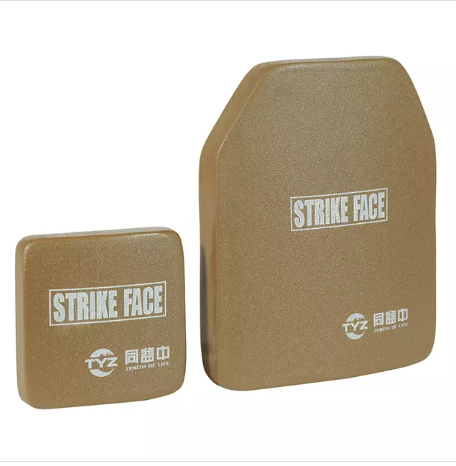
Body armor relies heavily on the materials it’s made from, as these determine how well it protects and how comfortable it feels. Let’s break down the main materials used today.
Kevlar is the most famous fiber in soft body armor. It’s a synthetic fiber that’s incredibly strong—about five times stronger than steel by weight. Kevlar fibers are woven tightly into layers. When a bullet hits, these fibers catch and slow it down by spreading the impact energy across many threads. This stops the bullet from penetrating and reduces blunt force trauma.
Other fibers like Twaron and Dyneema offer similar or even better strength. Dyneema, a type of ultra-high-molecular-weight polyethylene (UHMWPE), is lighter than Kevlar but just as strong. These fibers are flexible, letting soft armor fit close to the body for comfort and mobility.
Hard armor plates often use ceramics such as alumina (aluminum oxide) or silicon carbide. These materials are extremely hard and brittle. When a bullet hits, the ceramic plate breaks or shatters the bullet, dispersing its energy. However, ceramics alone are fragile and can crack under multiple hits, so they are backed by tougher materials like UHMWPE or aramid fibers.
Composite plates combine ceramics with these backing materials to absorb bullet fragments and reduce blunt trauma. This layered design balances protection and weight, making it easier to wear during extended missions.
Steel plates are another option. They’re tough and can take multiple hits without breaking. But steel is heavy and can cause dangerous bullet fragments to ricochet inside the armor, so manufacturers add coatings to reduce this risk.
Research is ongoing to find newer, stronger, and lighter materials. Biosteel, inspired by spider silk, is a promising fiber made using genetically engineered goats. It’s said to be up to 20 times stronger than steel. While still experimental, it could revolutionize soft armor by offering extreme strength and flexibility.
UHMWPE is already popular in both soft and hard armor. It’s a very tough plastic fiber that’s lightweight and resistant to moisture. Plates made entirely of UHMWPE can stop rifle rounds while weighing less than ceramic or steel plates.
Body armor comes in various forms, each designed for specific threats and use cases. Understanding the distinctions between soft and hard armor, as well as the options within these categories, helps users choose the right protection.
Soft body armor is made from flexible, high-strength fibers such as Kevlar or UHMWPE. It offers protection mainly against handgun rounds and some shrapnel. This armor is lightweight and designed to conform to the body, making it comfortable for daily wear.
Covert Soft Armor: Worn under clothing, covert armor is discreet. It provides protection without drawing attention, ideal for undercover law enforcement or civilians wanting inconspicuous defense. It usually protects up to NIJ Level IIIA, which stops most handgun rounds but not rifle fire.
Overt Soft Armor: Designed to be worn over clothing, overt armor is visible and often includes features like MOLLE webbing for attaching gear. It’s used by police or security personnel during patrols or riot control. It offers the same ballistic protection as covert armor but allows for added tactical functionality.
Soft armor layers absorb and spread bullet energy by deforming the projectile and distributing force across many fibers. However, soft armor cannot stop high-velocity rifle rounds or armor-piercing bullets.
Hard body armor uses rigid plates made from materials like ceramic, steel, or polyethylene. These plates are inserted into carriers worn over or under soft armor, offering protection against rifle rounds and armor-piercing ammunition.
Stand Alone Plates: These plates provide full rated protection without needing soft armor backing. They are thicker and heavier but can be worn alone. Stand alone plates are common in military and tactical applications where maximum rifle protection is necessary.
In-Conjunction-With Plates: These plates require soft armor backing to achieve their rated protection level. They are thinner and lighter than stand alone plates, making them more comfortable for extended wear. The soft armor backing helps absorb fragments and blunt force trauma.
Hard armor plates work by breaking and deforming bullets on impact, spreading energy over a wider area, and catching fragments with softer backing materials. While heavier and less flexible than soft armor, hard plates provide superior defense against high-threat rifle rounds.
Selecting body armor depends on the expected threats, comfort needs, and mobility requirements.
For protection against handguns and low-level threats, soft armor is usually sufficient. It offers concealability and comfort, making it suitable for everyday wear by law enforcement or civilians.
When facing higher threats like rifle fire or armor-piercing rounds, hard armor plates become necessary. Military personnel, SWAT teams, and officers in high-risk situations often use hard plates combined with soft armor.
Hybrid systems that mix soft armor and hard plates provide balanced protection, covering vital areas with rigid plates while maintaining flexibility elsewhere.
Consider the trade-offs: higher protection levels often mean increased weight and reduced comfort. Proper fit and coverage are essential to ensure effective protection without limiting movement.
The National Institute of Justice (NIJ) sets the official standards for body armor in the United States. These standards ensure armor meets strict performance requirements to protect wearers from specific ballistic threats. The current standard, NIJ Standard-0101.06, classifies armor into threat levels based on the types of ammunition it can stop.
The NIJ threat levels range from Level IIA to Level IV:
Level IIA: Protects against lower velocity 9mm and .40 S&W rounds.
Level II: Stops higher velocity 9mm and .357 Magnum rounds.
Level IIIA: Offers protection against most handgun rounds, including .44 Magnum.
Level III: Designed to stop rifle rounds such as 7.62mm NATO full metal jacket.
Level IV: The highest level, capable of stopping armor-piercing rifle rounds.
These levels help users select armor appropriate for their threat environment.
NIJ testing involves rigorous procedures to verify armor performance. Manufacturers submit multiple armor samples for evaluation. Each sample undergoes live-fire testing where bullets of specified calibers and velocities are fired at the armor.
The armor is mounted on a clay backing that simulates the human body. After impact, testers examine the armor for penetration and measure the depth of the dent left in the clay, called backface deformation. Excessive deformation can cause blunt force injuries even if the bullet does not penetrate.
Additional tests include environmental conditioning such as soaking panels in water or exposing them to heat and cold to ensure durability under real-world conditions. The armor must consistently meet or exceed NIJ criteria to receive certification.
Understanding threat levels is crucial for choosing effective armor. A Level IIIA vest may protect against handgun threats but will not stop rifle rounds. Conversely, Level IV plates provide protection against armor-piercing rounds but are heavier and less flexible.
Law enforcement officers often use Level IIIA soft armor for daily wear and add Level III or IV hard plates during high-risk operations. Military personnel typically require Level III or IV armor due to rifle threats.
Selecting armor that matches the expected threat optimizes protection without unnecessary weight or discomfort. Over- or under-protection can compromise safety or mobility.
Body armor technology keeps evolving, focusing on making gear lighter, stronger, and more comfortable. New materials like ultra-high-molecular-weight polyethylene (UHMWPE) have become popular due to their high strength-to-weight ratio. UHMWPE fibers are lighter than Kevlar but provide similar or better ballistic protection. Some manufacturers now produce armor plates entirely from UHMWPE, reducing weight without sacrificing safety.
Ceramic plates have also improved. Modern ceramics such as silicon carbide and boron carbide offer enhanced hardness and fracture resistance. These ceramics break apart incoming bullets, dissipating energy effectively. Backing materials paired with ceramics, like advanced composites or UHMWPE, absorb fragments and blunt force, reducing trauma to the wearer.
Design improvements include ergonomic shaping and modular systems. Plates now curve to fit the body better, increasing comfort and coverage. Carriers feature adjustable straps and breathable fabrics to reduce fatigue during long wear. Modular systems allow users to add or remove plates and accessories depending on mission needs.
Researchers explore several innovative concepts that could transform body armor. One promising area is liquid armor using shear-thickening fluids (STF). These fluids remain flexible under normal conditions but harden instantly on impact, providing dynamic protection. STF-treated fabrics may offer better stab and ballistic resistance while maintaining flexibility.
Biomimicry inspires new materials like Biosteel, a synthetic spider silk fiber. Biosteel combines extreme strength and elasticity, potentially outperforming Kevlar. Although still experimental, it could lead to softer, lighter armor that doesn’t compromise protection.
Composite metal foams (CMF) are also under study for hard armor. CMFs are lightweight, porous metals that can absorb and dissipate bullet energy efficiently. Early tests show CMF plates can reduce penetration from armor-piercing rounds, possibly replacing heavier steel plates.
Technology integration enhances armor beyond materials. For example, 3D printing enables complex plate designs that optimize strength and weight distribution. Smart textiles embedded with sensors can monitor armor integrity or wearer health in real time, alerting users to damage or injury.
Advances in manufacturing techniques improve consistency and quality control, ensuring every armor piece meets strict standards. Computer simulations help design armor that balances protection, weight, and mobility better than ever.
Together, these technologies increase armor effectiveness, user comfort, and operational flexibility. As threats evolve, so will body armor, combining state-of-the-art materials and smart design to keep wearers safer.
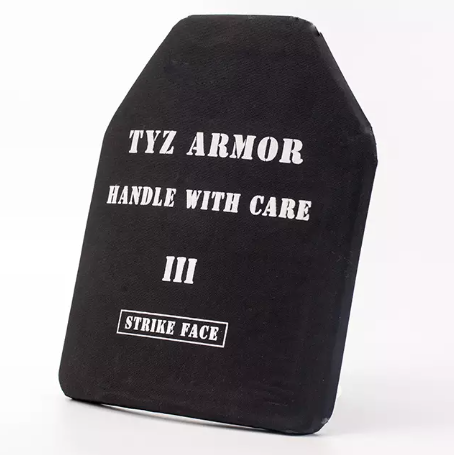
Proper maintenance and care keep body armor effective and extend its useful life. Armor is an investment in safety, so treating it right matters.
Soft armor panels should never be machine-washed or soaked. Instead, remove them from carriers and gently wipe down with a damp cloth. Avoid harsh chemicals, bleach, or solvents that can weaken fibers. Carriers can often be hand-washed or machine-washed on gentle cycles, but always check the manufacturer’s instructions first.
Hard plates require even more careful handling. Wipe ceramic or polyethylene plates with a soft cloth and mild soap if needed. Never submerge plates in water or use abrasive cleaners. Steel plates should be kept dry to avoid rust and inspected for coating damage.
Store armor flat in a cool, dry place away from direct sunlight. Folding or bending soft armor panels can damage fibers and reduce protection. Avoid extreme heat or humidity, which can degrade materials. Keep armor away from chemicals like gasoline or oils.
Regular inspection is key. Check soft armor for tears, frays, punctures, or crushed areas. Look for discoloration or stiffening, signs the fibers may be compromised. For hard plates, examine surfaces for cracks, chips, or dents. Any damage can reduce ballistic performance and requires replacement.
The National Institute of Justice (NIJ) recommends replacing soft body armor every 5 years. This lifespan depends on use, care, and storage conditions. Some manufacturers may suggest shorter or longer replacement intervals. Hard armor plates typically last 5 to 10 years but should be replaced sooner if damaged or after heavy use.
Keep records of purchase dates and inspection results. This helps track when replacement is due and ensures armor is always reliable.
Wear and tear, environmental exposure, and improper storage degrade armor over time. To keep it performing:
Store armor properly, flat and away from sunlight and moisture.
Clean armor gently and only when necessary.
Inspect armor before and after use.
Replace armor per manufacturer guidelines or if damaged.
Avoid exposing armor to chemicals, extreme heat, or sharp objects.
Following these steps helps maintain the armor’s integrity, ensuring it provides maximum protection when needed.
Body armor plays a crucial role in personal protection by absorbing and dispersing impact energy from bullets and other threats. As technology advances, materials like UHMWPE and ceramics enhance efficiency, comfort, and safety. The future of body armor looks promising with innovations like liquid armor and Biosteel fibers, ensuring continued importance for military and law enforcement applications. Beijing Tongyizhong New Material Technology Corporation offers cutting-edge body armor products, providing exceptional value through superior protection and innovative design.
A: Body armor is used to protect the wearer from bullets, knives, shrapnel, and other projectiles by absorbing and dispersing impact energy.
A: Body armor works by spreading a bullet's energy over a larger area, preventing penetration and reducing injury through materials like Kevlar and hard plates.
A: Body armor is crucial for reducing injury risk in dangerous situations, potentially saving lives by providing protection against specific threats.
A: There are two main types: soft body armor, which is flexible and lightweight, and hard body armor, which uses rigid plates for higher threat levels.
A: The cost of body armor varies based on type, materials, and protection level, ranging from a few hundred to several thousand dollars.
A: Soft armor is flexible and protects against handguns, while hard armor uses rigid plates to stop rifle rounds and armor-piercing bullets.
A: Body armor should be cleaned gently, stored flat in a cool, dry place, and regularly inspected for damage to ensure optimal performance.