
 English
Views: 0 Author: Site Editor Publish Time: 2025-11-03 Origin: Site


Ever wondered what keeps soldiers safe in battle or law enforcement officers secure on patrol? Body armor plays a crucial role. It's designed to protect against various threats, ensuring safety in dangerous situations. In this post, you'll learn about different armor vest types, their materials, and protection levels. Discover how they provide defense against bullets, blades, and more.
Hard armor uses rigid materials such as ultra-high-molecular-weight polyethylene (UHMWPE), ceramics, and fiber-reinforced composites. These materials provide strong defense against high-velocity bullets, including rifle rounds. Ceramics absorb and spread the energy of incoming projectiles, often shattering on impact to reduce penetration. Fiber-reinforced composites combine advanced fibers to enhance durability and protection. UHMWPE plates are lightweight yet effective, offering a balance between protection and wearability.
Although heavier than soft armor, hard armor is preferred in high-threat environments due to its superior resistance. It typically comes in plate form, inserted into carriers, and designed to stop rounds that soft armor cannot handle.
Soft armor consists of flexible, woven materials like Kevlar or other aramid fibers. This design makes it lightweight and easy to wear for long periods. It’s commonly used by law enforcement officers and security personnel who need protection against low-velocity handgun rounds and shrapnel while maintaining mobility.
Soft armor works by distributing the force of a bullet across its surface, preventing penetration. Its layers of tightly woven fibers absorb and dissipate energy efficiently. This armor is ideal for everyday wear and covert operations since it can be worn under clothing without adding bulk.
| Feature | Hard Armor | Soft Armor |
|---|---|---|
| Material | Ceramics, UHMWPE, composites | Kevlar, aramid fibers |
| Protection Level | High (rifle rounds, armor-piercing) | Medium (handgun rounds, shrapnel) |
| Weight | Heavier | Lightweight |
| Flexibility | Rigid plates | Flexible, wearable under clothes |
| Use Cases | Military, tactical law enforcement | Police patrol, security, covert protection |
| Comfort | Less comfortable for long wear | More comfortable for all-day use |
Hard armor offers maximum protection but compromises on comfort and flexibility. Soft armor provides mobility and concealment but is limited against high-powered rifle rounds. Often, users combine both types, wearing soft armor with hard plates inserted for layered defense.
The National Institute of Justice (NIJ) sets the standard for body armor protection levels. These levels help users understand what threats their armor can stop. The NIJ classifies armor from Level IIA up to Level IV. Each level corresponds to the type of ammunition the armor can resist and the conditions under which it performs.
Knowing these levels is crucial. It ensures you pick armor suited to your threat environment. The NIJ tests body armor against specific bullets at set velocities. The results determine the armor’s rating, guiding users in their selection.
Level IIA: Designed to stop low-velocity handgun rounds like 9mm and .40 S&W. It's lightweight and ideal for everyday wear when threats are minimal.
Level II: Offers protection against medium-velocity handgun rounds. It balances concealability and protection, suitable for security personnel facing moderate threats.
Level IIIA: Stops higher-velocity handgun rounds, including .44 Magnum. Often worn by law enforcement needing more robust handgun protection without bulk.
Level III: Protects against rifle rounds such as 7.62mm NATO. This hard armor level is essential for tactical teams facing rifle threats.
Level IV: The highest NIJ rating, capable of stopping armor-piercing rifle rounds. It uses advanced materials like ceramic plates and is mainly for military or high-risk law enforcement use.
Each level increases protection but often adds weight and bulk. Choosing the right level depends on the expected threat and the need for mobility.
Selecting armor isn't just about the highest protection. Consider your specific risks, comfort, and mobility needs. For example:
Everyday Security or Patrol: Level IIA or II soft armor offers enough protection while remaining light and flexible.
High-Risk Law Enforcement: Level IIIA soft armor or Level III hard plates provide better defense against more powerful handguns or rifles.
Military or Tactical Operations: Level IV plates are necessary when facing armor-piercing threats.
Also, think about the environment. Concealable armor suits undercover work, while overt armor may deter attackers openly.
Ultimately, balance protection, comfort, and practicality. Consult threat assessments or experts when possible to make the best choice.

Ballistic protection is the primary function of most body armor. It shields the wearer from bullets fired by handguns, rifles, and sometimes shotguns. This armor absorbs and disperses the energy of a projectile to prevent penetration and reduce blunt force trauma. Soft armor typically handles handgun rounds, while hard armor protects against rifle rounds and armor-piercing bullets. This protection is vital for law enforcement, military personnel, and security professionals facing firearm threats.
Some body armor is specially designed to defend against sharp weapons like knives, blades, and spikes. Edged blade protection prevents slashing or stabbing wounds by using materials that resist cutting and penetration. Spike protection goes a step further, defending against narrow, pointed objects such as needles, nails, or screwdrivers. This type of armor is crucial in environments where close-quarter attacks or prison settings pose a risk of stabbing or slashing.
Multi-threat armor combines ballistic, edged blade, and spike protection into one vest. This armor offers versatile defense, making it suitable for unpredictable threat environments. It uses layers and materials engineered to stop bullets and prevent penetration from sharp or pointed weapons. Multi-threat armor is ideal for personnel who face a wide range of dangers, such as correctional officers, tactical teams, and security staff in high-risk areas. This all-in-one approach ensures maximum safety without the need to switch gear for different threats.
Overt body armor is designed to be worn on the outside of clothing, making it clearly visible to others. This visibility serves as a strong deterrent against potential attackers. When someone sees a person wearing overt armor, they may think twice before engaging in hostile actions. This type of armor is common among military personnel, riot police, and security teams working in high-threat or crowd-control environments. The clear presence of protection can reduce the chance of violence before it even starts.
Overt armor often includes tactical vests or plate carriers equipped with pouches for gear, radios, and other tools. Because it is worn openly, it usually prioritizes maximum protection and easy access over concealment. The wearer accepts that others will see the armor but gains the benefit of enhanced defense and readiness.
Concealable body armor is made to be worn under clothing, keeping protection discreet. This armor is lightweight and flexible, often soft armor panels that fit comfortably beneath shirts or jackets. It’s popular among undercover law enforcement officers, private security personnel, and civilians who want protection without drawing attention.
The main advantage of concealable armor is stealth. It allows wearers to move freely and blend into everyday environments while still having protection against handgun threats. Because it’s hidden, it doesn’t send a message to potential attackers, so it may not deter aggression in the same way overt armor does. However, its comfort and low profile make it ideal for daily use where discretion matters.
Concealable vests often use soft armor materials like Kevlar or aramid fibers. Some models allow for hard armor plates to be inserted for extra protection, though this can add bulk. The focus is on balancing concealment, comfort, and adequate defense.
Deciding between overt and concealable armor depends on your role, environment, and threat level.
Choose overt armor if:
You work in high-risk or tactical situations where visible protection deters attacks.
You need quick access to gear and need to carry additional equipment.
You require the highest level of protection, often including hard plates.
Choose concealable armor if:
You need protection without alerting others or drawing attention.
You work undercover or in civilian environments where stealth is critical.
Comfort and mobility are priorities for long-term wear.
Sometimes, professionals use a combination: concealable soft armor for daily wear and overt hard armor during high-threat operations.
Military personnel operate in the most dangerous environments, facing threats like high-velocity rifle rounds, explosives, and shrapnel. Their body armor must provide maximum protection while allowing mobility for combat operations. Military armor typically combines hard plates and soft armor panels for layered defense. It also features modular designs to attach gear such as ammo pouches, communication devices, and hydration systems. Durability, weight distribution, and comfort are critical since soldiers wear armor for extended periods. Innovations like lightweight ceramic plates and advanced composites help reduce fatigue without compromising protection. Overall, military armor balances survivability, functionality, and adaptability for diverse combat scenarios.
Law enforcement officers require armor that protects against handgun threats and some rifle rounds while enabling quick movement and access to equipment. Their armor often includes soft vests rated up to Level IIIA, sometimes augmented by hard plates for higher threats. Officers need to respond rapidly, so armor must be lightweight and breathable to prevent overheating during long shifts. Plate carriers with adjustable straps provide a customizable fit, enhancing comfort and mobility. Law enforcement armor also considers visibility, often designed for overt use to deter aggression or concealable wear for undercover assignments. This balance ensures officers remain protected yet agile during patrols, arrests, or tactical interventions.
Security personnel cover a wide range of environments, from event venues to corporate buildings. Their armor needs to be versatile, offering protection against common handgun threats and sometimes edged weapons. Soft armor is common for its comfort and discreetness, especially in customer-facing roles. In higher-risk situations, security teams may use multi-threat armor that defends against ballistic, stab, and spike attacks. The armor should allow ease of movement and quick response to incidents without intimidating the public unnecessarily. Many security professionals prefer concealable armor for daily duties and overt armor during heightened alert levels. This adaptability helps security personnel maintain safety while performing diverse tasks.
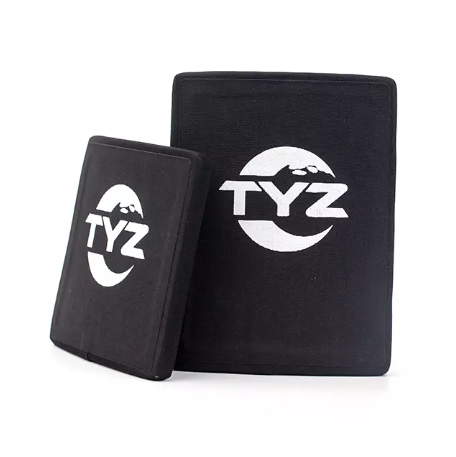
Picking the right body armor means balancing protection, comfort, and the materials used. Hard armor offers strong defense against rifle rounds but is heavier and less flexible. Soft armor is lighter, more flexible, and better for handgun threats but won’t stop high-velocity rifle bullets. Consider the threat level you expect. If you face rifle threats, hard plates are necessary; for handgun risks, soft armor may suffice.
Comfort is key for consistent wear. Armor that is too heavy or restrictive might not be worn properly, reducing its effectiveness. Materials like UHMWPE provide lighter hard armor options, while advanced aramid fibers improve soft armor comfort. Also, think about climate and activity level, since heat and movement affect comfort.
Proper fit ensures armor protects vital areas without limiting mobility. Armor should cover your torso fully, including chest, back, and sides, without gaps. Adjustable straps and customizable carriers help achieve a snug fit. Ill-fitting armor can shift during movement, exposing vulnerable spots.
Try on armor with your usual gear to check for comfort and range of motion. Remember, comfort encourages longer wear time, crucial for safety. Some manufacturers offer sizing guides or professional fitting services. Always follow these recommendations to avoid buying armor that is too large or small.
Body armor technology evolves quickly. New materials and designs improve protection, reduce weight, and increase comfort. For example, innovations in ceramic composites and ultra-light polyethylene plates offer high protection with less bulk. Soft armor now often incorporates moisture-wicking fabrics to enhance breathability.Stay updated by following industry news, manufacturer releases, and certification changes. Check for the latest NIJ standards and ensure your armor meets current certifications. Advances in multi-threat armor also combine ballistic and stab resistance, expanding protection options.Keeping informed helps you select armor that matches modern threats and benefits from the latest comfort and durability improvements.
Understanding the different types of body armor, such as hard and soft armor, is crucial for selecting the right protection. Consider factors like material, protection level, and comfort to make informed choices. Staying updated with the latest armor innovations ensures optimal safety and functionality. Companies like Beijing Tongyizhong New Material Technology Corporation offer advanced armor solutions, providing enhanced protection and comfort. Their products deliver exceptional value, meeting modern demands for security and efficiency in various threat environments.
A: Body armor is made from materials like ceramics, ultra-high-molecular-weight polyethylene (UHMWPE), and aramid fibers such as Kevlar, providing protection against various threats.
A: Soft body armor uses flexible materials to distribute the force of a bullet, preventing penetration and providing protection against low-velocity handgun rounds.
A: Hard body armor offers superior protection against high-velocity rifle rounds, making it ideal for military and high-threat law enforcement situations.
A: Multi-threat body armor provides comprehensive defense against bullets, edged blades, and spikes, ideal for unpredictable threat environments.
A: The cost of body armor varies based on material and protection level, with prices ranging from a few hundred to several thousand dollars.