
 English
Views: 0 Author: Site Editor Publish Time: 2025-10-27 Origin: Site


Is your body armor as protective as you think? Understanding body armor materials is crucial for ensuring safety. Different materials offer varying levels of protection, weight, and comfort. In this post, you'll learn about the types of materials used in body armor and why choosing the right one is vital for your protection.
Body armor relies on advanced materials designed to protect lives while allowing mobility. Two main categories dominate: synthetic fiber materials and composite/ceramic materials. Each plays a unique role in balancing protection, weight, and comfort.
Synthetic fibers form the core of many modern body armors. Kevlar and Dyneema stand out as leaders in this category.
Kevlar: An aramid fiber known for its high tensile strength and flexibility. It’s lightweight and resists heat and chemicals, making it ideal for soft body armor. Kevlar layers absorb and disperse bullet energy, preventing penetration and reducing blunt force trauma.
Dyneema: Made from ultra-high molecular weight polyethylene (UHMWPE), Dyneema is even lighter than Kevlar but equally strong. It floats on water and offers excellent ballistic resistance. Its high strength-to-weight ratio makes it perfect for concealable vests and soft armor inserts.
These fibers work by catching bullets and spreading the impact energy over a wide area. Their flexibility allows all-day wear without significant discomfort.
For higher threat levels, especially rifle rounds, composite and ceramic materials come into play.
Ceramic Plates: Typically made from aluminum oxide or boron carbide, ceramic plates are hard and brittle. Upon impact, they fracture to absorb and dissipate the bullet’s energy. This process stops high-velocity rounds and armor-piercing ammunition effectively.
Composite Backings: Behind ceramic plates, composite materials like UHMWPE or aramid fibers add support. They catch fragments and reduce blunt trauma after the ceramic surface breaks the bullet.
Advantages of ceramic composites include:
Superior protection against rifle rounds
Lighter weight compared to traditional metal armor
Enhanced ability to stop armor-piercing rounds
By layering ceramics over synthetic fibers, manufacturers create armor that balances protection and mobility. This multi-material design ensures defense against diverse ballistic threats while keeping gear manageable for the wearer.
| Material Type | Key Properties | Primary Protection Level | Typical Applications |
|---|---|---|---|
| Kevlar (Aramid) | High tensile strength, flexible | Handguns, fragmentation | Soft armor for law enforcement |
| Dyneema (UHMWPE) | Extremely light, high strength | Handguns, limited rifle rounds | Concealable vests, soft inserts |
| Ceramic Composites | Hard, brittle, fractures on impact | High-velocity rifles, AP rounds | Hard plates for military, police |
| Aluminum Oxide | High hardness, moderate weight | Rifle and armor-piercing rounds | SAPI/ESAPI plates, military vests |
| Boron Carbide | Very hard, lightweight, brittle | Advanced rifle and AP threats | Elite military plates, special forces |
This table highlights the strengths and typical uses of key materials. Choosing the right mix depends on threat level, weight tolerance, and mission requirements.
When it comes to body armor, choosing the right material is more than just picking something bullet-resistant. It’s about how well it performs against threats and how it fits into real-world use. The materials you select can mean the difference between life and death, comfort or burden, success or failure on the field.
Body armor materials must stop bullets and reduce injury from impact. Different materials handle threats in unique ways, so understanding their strengths matters. For example:
Energy Absorption: Materials like Kevlar fibers absorb and spread bullet energy, preventing penetration. This reduces blunt force trauma to the wearer.
Multi-hit Resistance: Some materials can withstand multiple hits without losing effectiveness. This is vital in high-risk situations.
Environmental Durability: Armor often faces heat, moisture, and wear. Materials must maintain protection under these conditions without degrading.
Weight and Mobility: Heavy armor can slow users down and cause fatigue. Lightweight materials improve comfort and operational effectiveness.
Selecting materials that balance these factors lets armor perform well in expected threat scenarios while keeping the wearer agile.
No single material is perfect. Each has pros and cons, forcing careful trade-offs:
Synthetic fibers like Kevlar offer flexibility and light weight but may struggle against high-velocity rifle rounds.
Ceramic plates provide excellent rifle protection but are brittle and heavier.
Composite materials can add strength but may increase bulk or cost.
Designers must weigh protection level against wearer comfort and mission needs. For example, a SWAT officer might prioritize mobility and wear lighter soft armor, while a soldier in combat may choose heavier ceramic plates for maximum rifle protection.
Balancing these trade-offs requires deep knowledge of material science and realistic threat assessment. It’s about crafting armor that protects without hindering performance.
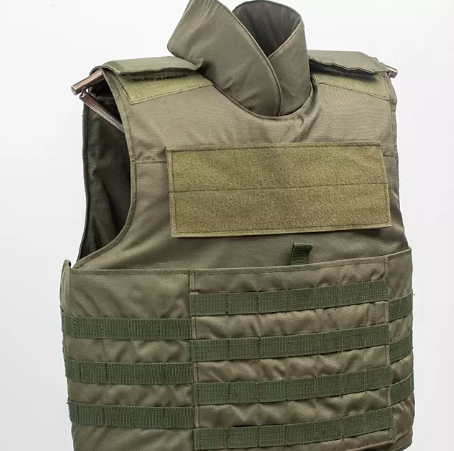
Understanding how body armor materials work to stop bullets involves diving into their molecular makeup and the way different layers combine to absorb and spread impact energy. The science behind ballistic resistance is complex but fascinating, and it explains why modern armor balances protection and comfort so well.
Materials like Kevlar and Dyneema owe their protective power to their unique molecular structures. These fibers consist of long chains of molecules tightly bonded and aligned, which allows them to stretch and absorb energy when hit by a projectile.
Molecular chain stretching: When a bullet strikes, the chains elongate and realign, absorbing kinetic energy instead of letting it pass through.
Fiber interlocking: The fibers lock together, creating resistance against penetration by catching and slowing the bullet.
Energy dispersion: Impact energy spreads out across a wider area, reducing the force felt at any single point and lowering blunt trauma risk.
This molecular action happens incredibly fast, stopping bullets while protecting the wearer from serious injury. The tightly woven fibers also prevent the bullet from cutting through, thanks to their high tensile strength.
Modern body armor rarely relies on a single material. Instead, it uses layers that work together to maximize protection.
Soft armor layers: These are made of synthetic fibers like Kevlar or Dyneema. They absorb and spread the initial impact energy, preventing penetration from handgun rounds.
Hard armor layers: Ceramic plates or composite materials form the hard outer shell. They break up high-velocity rifle bullets by fracturing on impact, which dissipates the bullet’s energy.
Backing layers: Behind ceramics, composite or UHMWPE backings catch fragments and reduce blunt force trauma by absorbing residual energy.
This layering strategy means that each material plays a specific role. Soft layers handle flexibility and energy absorption, while hard layers provide the rigidity needed to stop armor-piercing rounds. The combination ensures protection against a wide range of threats while keeping the armor wearable.
Body armor materials are designed to protect while balancing weight, comfort, and durability. Understanding their mechanical performance characteristics helps us see why some materials work better in certain roles.
Several key mechanical properties determine how well armor materials perform:
Tensile Strength: This measures how much pulling force fibers or composites can withstand before breaking. High tensile strength means materials like Kevlar or Dyneema can stop bullets by stretching and absorbing energy.
Energy Absorption: The ability to soak up and dissipate the bullet's kinetic force is crucial. Materials that absorb more energy reduce blunt trauma and prevent penetration.
Deformation Resistance: Armor must resist permanent shape changes after impact. Materials that deform too much lose protective capabilities and may fail on subsequent hits.
Impact Resilience: This is the material's capacity to endure sudden forces without cracking or breaking. Ceramics excel here by shattering on impact to dissipate energy but need backing layers to catch fragments.
Weight-to-Strength Ratio: Lighter materials with high strength improve mobility and reduce fatigue. Dyneema, for example, floats on water and offers excellent ballistic resistance while being very light.
Environmental Stability: Materials must maintain their properties under heat, moisture, and wear. Aramid fibers resist heat and chemicals, while some composites may degrade faster if exposed to harsh conditions.
These characteristics influence how materials are selected for specific armor types and applications.
Different roles demand tailored armor solutions. Here’s how materials fit into various contexts:
Soft Armor: Often made from aramid fibers like Kevlar or UHMWPE fibers such as Dyneema. Soft armor protects against handgun rounds and fragmentation while allowing flexibility and comfort. This makes it ideal for law enforcement officers and security personnel who need all-day wearability.
Hard Armor Plates: Incorporate ceramic strike faces backed by composites or UHMWPE. Ceramics like boron carbide or aluminum oxide provide rigid protection against rifle rounds and armor-piercing ammunition. Military and tactical units rely on these plates in combat zones.
Multi-threat Protection: Some armor systems combine soft and hard materials to offer layered defense. The soft layers absorb initial impact, and the hard plates prevent penetration from high-velocity rounds.
Specialized Designs: Certain applications require unique materials or configurations. For example, bomb disposal suits use thick aramid layers for blast resistance, while covert body armor prioritizes thinness and concealability.
Environmental Adaptations: Armor used in tropical or marine environments may use materials with enhanced moisture resistance. Some fibers retain ballistic properties even when wet, critical for operational reliability.
By matching mechanical properties to mission needs, designers create armor that protects effectively without hindering performance.
Body armor materials are evolving fast, driven by breakthroughs in science and technology. New developments aim to boost protection, reduce weight, and improve comfort. Two exciting areas leading the charge are nanotechnology and smart, responsive materials.
Nanotechnology involves manipulating materials at the atomic or molecular scale. This lets manufacturers create armor that’s stronger, lighter, and tougher than ever before. For example:
Nanoscale Truss Structures: These tiny frameworks create ultra-strong yet flexible materials. They can absorb more energy from impacts than traditional fibers like Kevlar, making armor lighter without sacrificing protection.
Self-Healing Polymers: Some advanced composites can repair small cracks or damage automatically. This increases armor lifespan and reliability in the field.
Adaptive Molecular Composites: These materials change their internal structure when hit, spreading impact forces more efficiently. They combine high strength and flexibility in a way older materials can’t match.
Research from institutes like the U.S. Army’s Institute for Soldier Nanotechnologies supports these innovations, showing promise for future armor that outperforms current standards.
The future of body armor isn’t just about passive defense anymore. Smart materials can react dynamically to threats, offering new levels of protection and comfort.
Liquid Armor: This technology uses shear-thickening fluids that flow freely during normal movement but instantly harden upon impact. This means armor can be flexible day-to-day but rigid when a bullet or shrapnel hits.
Programmable Materials: Scientists are developing materials that change properties based on environmental cues or threat levels. For example, armor could stiffen in cold weather or after detecting a high-velocity projectile.
Embedded Sensors: Some advanced armors include sensors that monitor impact force, armor condition, or wearer health. This data can improve battlefield awareness and help in medical response.
These technologies aim to create multifunctional armor systems that adapt to different scenarios, balancing protection, mobility, and wearer comfort.
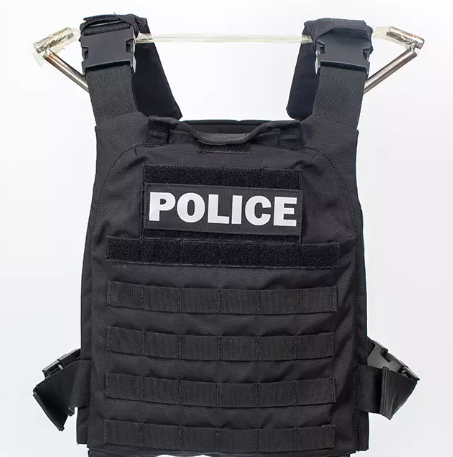
Choosing the right body armor means more than just picking the toughest material. It’s about finding the best match for your needs, balancing protection, weight, and flexibility.
Every situation demands different protection levels. For example, law enforcement officers working in urban areas might prioritize lighter, more flexible soft armor. This lets them move quickly and stay comfortable during long shifts. Soft armor made from materials like Kevlar or Dyneema works well here, providing defense against handgun rounds and shrapnel.
On the other hand, military personnel or security professionals facing rifle threats need hard armor plates. Ceramic or composite plates protect against high-velocity rounds but add bulk and weight. You must consider how much weight you can carry without sacrificing mobility or endurance.
Consider your:
Threat level: Handgun or rifle rounds?
Environment: Hot, humid, or wet conditions?
Duration of wear: Hours or all day?
Mobility needs: Quick movement or stationary duty?
Answering these questions helps narrow down the best materials and armor types for your mission.
Body armor is a trade-off. Heavier armor offers more protection but can tire you out quickly. Lighter armor feels better but might not stop all threats. Here’s how materials affect these factors:
Kevlar: Flexible and lightweight. Great for soft armor but less effective against rifle rounds.
Dyneema: Even lighter than Kevlar, with excellent strength. Ideal for concealable vests.
Ceramic Plates: Hard and protective against rifles. Heavier and less flexible.
Composite Backings: Support ceramics, catch fragments, and reduce trauma.
Sometimes, combining materials creates the best balance. For example, a ceramic plate backed by Dyneema offers strong rifle protection without excessive weight.
Remember, comfort matters. If armor is too heavy or stiff, you might avoid wearing it properly. Proper fit and ergonomics also play a big role in protection effectiveness.
Test different armor types: Try on various vests and plates to find what suits your body and mission.
Check certification: Ensure armor meets standards like NIJ Level III or IV for rifle protection.
Consider environmental resistance: Some materials handle moisture and heat better than others.
Plan for layering: Use soft armor for daily wear and add hard plates when higher protection is necessary.
Making an informed choice means you get armor that saves lives without slowing you down.
Body armor materials, such as synthetic fibers and ceramic composites, offer varying levels of protection and comfort. Selecting the right material is crucial for optimal defense and mobility. Beijing Tongyizhong New Material Technology Corporation offers innovative solutions that enhance safety and comfort, ensuring users are well-protected in diverse environments. Their products balance strength and wearability, providing value through advanced technology and design.
A: Body armor commonly uses materials like Kevlar, Dyneema, ceramic plates, and composite backings to provide protection against various threats.
A: Body armor protects by using materials like Kevlar and Dyneema to absorb and disperse bullet energy, while ceramic plates break up high-velocity rounds.
A: Material selection in body armor is crucial for balancing protection, weight, and comfort, ensuring effectiveness against specific threats.
A: The cost of body armor varies based on material, protection level, and brand, ranging from a few hundred to several thousand dollars.
A: Dyneema offers benefits like being extremely lightweight, high strength, and providing excellent ballistic resistance, ideal for concealable vests.