
 English
Views: 0 Author: Site Editor Publish Time: 2026-07-14 Origin: Site


Outdoor apparel and gear manufacturers face compounding demands every single day. They must persistently reduce material weight while exponentially increasing durability and thermal comfort. Legacy materials like nylon, polyester, and aramids usually force a difficult compromise. You often have to sacrifice breathability and lightweight profiles to achieve adequate abrasion resistance. High-performance textiles leveraging ultra-high molecular weight polyethylene resolve these specific bottlenecks. They offer unparalleled strength-to-weight ratios alongside intrinsic thermal regulation. This guide provides technical specifiers, product developers, and material scientists with an evidence-based evaluation framework. We will thoroughly evaluate UHMWPE fiber for outdoor functional fabric applications. Our focus covers physical performance data, processing risks, and critical sourcing criteria. By understanding these technical parameters, you can successfully design next-generation gear equipped for the harshest environments.
Defining this material requires precise chemistry rather than broad marketing claims. High Modulus Polyethylene Fiber consists of highly oriented molecular chains. Manufacturers create it through a specialized gel-spinning process. This continuous drawing aligns the ultra-long polymer chains parallel to the fiber axis. The resulting structure delivers an extraordinary tensile strength profile while remaining incredibly light.
When overcoming legacy limitations, this advanced polymer vastly outperforms traditional options. Versus aramids like Kevlar, it completely eliminates UV-induced strength loss and inherent stiffness. Aramids often degrade under continuous sunlight and lose their protective qualities. UHMWPE maintains exceptional flex-fatigue resistance over prolonged usage. Versus nylon and polyester, it boasts a vastly superior strength-to-weight ratio. It also possesses zero moisture regain. It does not absorb water, preventing severe weight gain in wet, stormy outdoor conditions.
Primary application categories actively utilizing these properties include:
Performance metrics for these engineered fibers set rigorous new industry baselines. Typical tensile strength ranges between 2.5 and 3.5 GPa. The elastic modulus is equally impressive, ensuring fabrics never stretch out of shape under severe mechanical stress. You get structural reliability when you need it most.
Standardized testing realities reveal true field capabilities. We map material performance against EN 388 for cut resistance and ISO 12947-2 for Martindale abrasion. We avoid generic "indestructible" marketing claims. Instead, we rely on specific cycle-to-failure rates compared to baseline materials like 1000D Cordura or ballistic nylon.
| Material Type | Martindale Abrasion (Cycles) | Relative Cut Resistance (EN 388) | Moisture Regain |
|---|---|---|---|
| Standard Nylon | ~50,000 | Level 1 | 4.5% |
| 1000D Cordura | ~100,000 | Level 2 | ~4.0% |
| UHMWPE Formulations | 250,000+ | Level 4 - 5 | 0% |
Puncture versus cut dynamics require careful clarification. Cut and abrasion resistance remain exceptional due to the fiber's inherently slick surface and immense toughness. However, pure puncture resistance against fine needles or thorns depends heavily on the fabric weave structure. A loose knit will allow a sharp hazard to pass through without ever cutting the yarn. Tighter, denser woven structures optimize puncture deflection and maximize the underlying fiber strength.
The UV degradation challenge is well known in outdoor textile engineering. Generic polyolefins possess a baseline susceptibility to photo-oxidation. Continuous sun exposure often causes them to turn brittle and lose structural integrity. This leads to catastrophic material failure during prolonged outdoor exposure.
High-grade UHMWPE demonstrates remarkable photochemical stability against these threats. Its high crystallinity naturally limits oxygen diffusion deep into the polymer matrix. Furthermore, the complete absence of aromatic rings in its chemical structure prevents the absorption of harmful UV spectra. This allows the material to inherently resist degradation far better than standard commercial polyethylene.
Testing data benchmarks clearly validate these field advantages. After standard accelerated weathering tests—such as ISO 4892 QUV exposure running over 500 hours—the material retains exceptionally high tensile strength percentages. Many rigorously tested samples demonstrate over 80% strength retention after intense weathering cycles.
Formulation additives further extend functional field life. Manufacturers often incorporate specialized UV stabilizers directly during the gel-spinning phase. Dope-dyed pigments also act as microscopic shields. They protect the core polymer from direct, damaging UV radiation. This powerful combination ensures long-lasting reliability in extreme, high-altitude environments where solar radiation peaks.
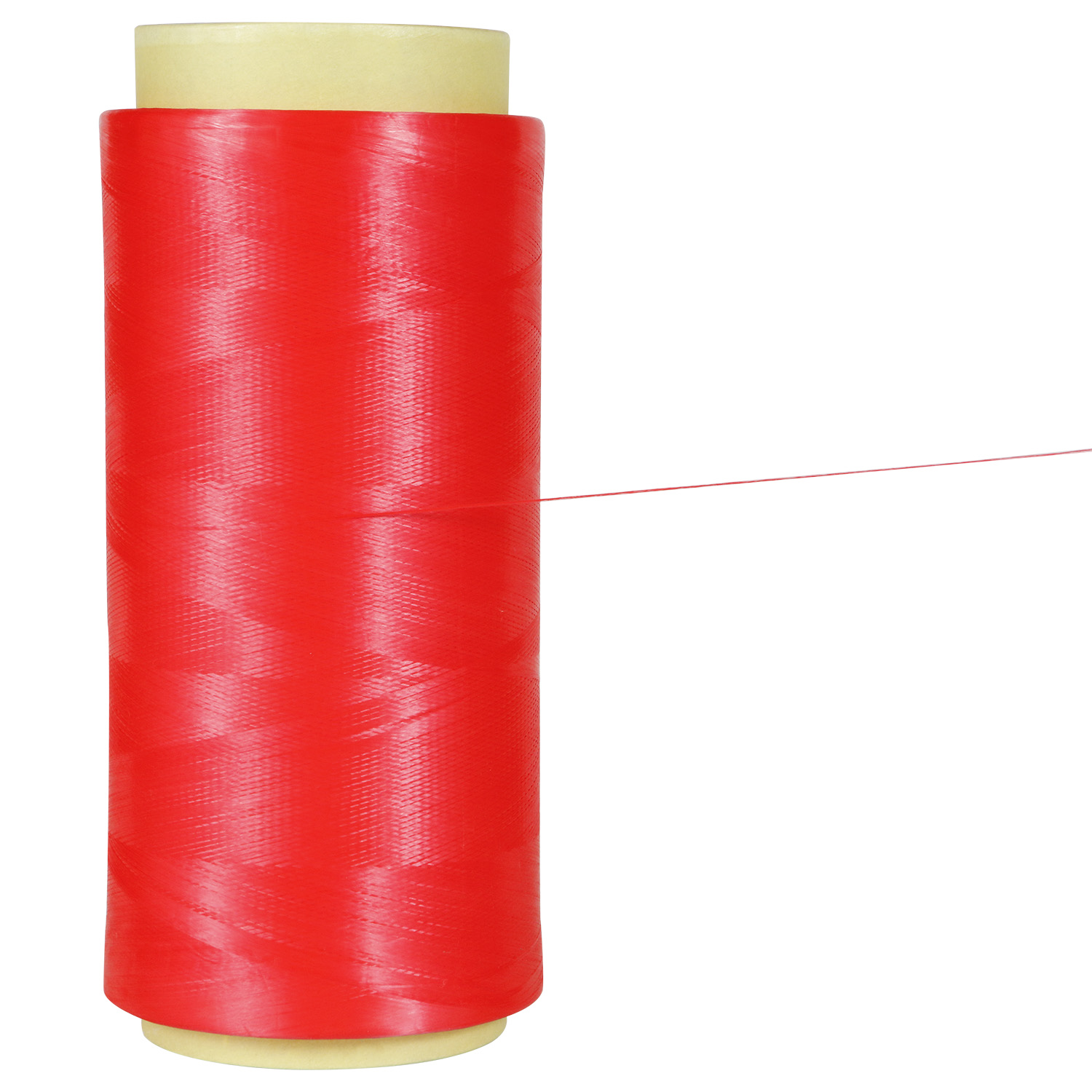
The science of heat dissipation in polymers usually points toward heavy insulation. Most synthetic fibers act to trap body heat. However, the highly aligned polymer chains in UHMWPE change this thermodynamic reality entirely. They provide an unobstructed pathway for rapid phonon transport. This unique mechanism allows the material to transfer heat away from the skin significantly faster than cotton, wool, or standard synthetics.
Highlighting the structural versus chemical cooling difference reveals immense product value. Temporary hydrophilic chemical coatings wash out quickly after 20 to 30 laundry cycles. In contrast, the extreme crystallinity of this material provides a permanent cooling functionality. It never degrades, washes away, or diminishes over time.
Effective moisture management integration remains absolutely crucial. Because the fiber is extremely hydrophobic, it has zero moisture regain. It will not absorb sweat on its own. Therefore, you must engineer it thoughtfully to transport moisture away from the user.
These targeted strategies transport sweat effectively while consistently maintaining the signature cooling sensation expected by high-performance athletes.
The dyeing bottleneck represents the industry's most prominent technical hurdle. Pure UHMWPE is highly inert. Its surface lacks the active chemical bonding sites required by standard dyes. You simply cannot dye it via traditional aqueous processes. Solutions include dope dyeing, also known as solution dyeing, executed during the initial fiber extrusion. Alternatively, manufacturers use core-spun or specialized wrapping techniques. They wrap traditional dyeable carrier fibers like nylon or cotton around the inert core to achieve the desired external colors.
Thermal sensitivity requires strict process controls during scaled production. The polymer has a rigid melting point constraint, typically sitting between 130°C and 144°C. This introduces substantial risks during high-heat garment finishing processes. You must carefully calibrate machinery temperatures during calendering or when applying laminating seam tape. Excessive heat will cause immediate fabric distortion or structural melting.
Blending strategies offer an excellent pathway to overall cost and performance optimization. By blending High Strength UHMWPE Fiber for Outdoor Functional Fabric with softer materials, you achieve an exceptional balance. Mixing it strategically with nylon, spandex, or merino wool helps meet specific target drape characteristics, precise stretch requirements, and highly viable retail price points.
Defining precise success criteria prevents costly material failures later in production. Start by mapping specific environmental threats directly to required fiber parameters. A "high slide-risk" environment demands maximum abrasion cycles and structural density. Conversely, a "high sun exposure" scenario requires enhanced UV stabilization and optimized crystallinity to prevent degradation.
Selecting the correct denier and filament count dictates overall fabric behavior. Micro-denier yarns are ideal for cooling activewear. They offer a much softer hand feel and a higher surface area for heat transfer. High-denier yarns belong strictly in heavy-duty reinforcement panels where absolute tear resistance overrides any drape constraints.
Use a rigorous vendor evaluation checklist when sourcing these advanced materials:
This systematic framework ensures consistent manufacturing quality and vigorously protects your brand reputation in extreme outdoor applications.
Product developers should initiate their transition by auditing current product return data specifically looking for abrasion and UV-related failures. Request multi-blend sample swatches from vetted suppliers and subject them to independent lab validation to align exact denier specifications with your anticipated end-use environments.
A: No, the cooling effect is completely structural and molecular. Unlike temporary chemical treatments that eventually wash out, the highly aligned polymer chains intrinsically conduct heat away from the body. This permanent physical property remains stable throughout the entire lifecycle of the garment.
A: Generally, no. This material possesses a relatively low melting point of around 130°C to 144°C. Direct ironing or traditional high-heat pressing will melt or permanently distort the molecular structure. Manufacturers must utilize specific low-temperature lamination processes for seaming and branding applications.
A: It performs exceptionally well in extreme cold. The material maintains high impact strength and flexibility even at sub-zero temperatures. Unlike some standard plastics and legacy polymers that become dangerously brittle when frozen, its structural integrity and flex-fatigue resistance remain highly reliable in high-alpine environments.
A: The elevated cost stems from the highly complex gel-spinning production process used to align the molecular chains. Additionally, its inherent slickness and extreme toughness require specialized handling, modified cutting tools, and slower operating speeds during weaving or knitting processes, driving up overall manufacturing expenses.