
 English
Views: 0 Author: Site Editor Publish Time: 2026-07-28 Origin: Site


The transition from the legacy NIJ 0101.06 standard to the new NIJ 0101.07 standard has fundamentally changed how we classify protective gear. Agencies are rapidly moving away from ambiguous Roman numerals. Now, they rely on specific threat-based acronyms like HG for Handgun and RF for Rifle. Buyers evaluating life-saving equipment currently face immense confusion in the marketplace. You might see legacy marketing terms like "Level III+" mixed alongside new official nomenclature on spec sheets. This creates a severe risk of mismatched threat protection. It also leads to wasted procurement budgets. We want to demystify these new NIJ classifications clearly and effectively. This guide will directly compare them to previous standard definitions. You will gain a highly practical, threat-based evaluation framework. You can then confidently select the correct soft armor or ballistic plates for your exact deployment needs.
Nomenclature Shift: "HG" denotes Handgun threats (soft armor); "RF" denotes Rifle threats (hard armor/ballistic plates).
The RF2 Milestone: The NIJ 0101.07 standard finally introduces a dedicated testing protocol (RF2) for 5.56mm M855/Green Tip threats, eliminating reliance on unofficial industry terms like "Level III+."
Procurement Logic: Legacy NIJ .06 certified armor remains safe and viable; there is no immediate compliance mandate to replace unexpired Level IIIA or Level IV armor with HG2 or RF3 equivalents unless threat profiles demand it.
The previous .06 standard launched back in 2008. It functioned well for its era. However, it eventually failed to account for a massive shift in real-world ballistics. The core business problem centered on the rapid proliferation of modern intermediate rifle cartridges. The 5.56x45mm M855 round became incredibly common across domestic environments. The old standard lacked a specific testing tier for this steel-penetrator cartridge. Buyers felt forced to rely on unverified manufacturer claims to fill the protection gap.
To fix this, the National Institute of Justice overhauled their testing rigor entirely. They implemented stricter testing protocols across the board. Laboratories now use updated test barrel lengths. This mimics real-world muzzle velocities much more accurately. Ballistic strikes hit the armor exactly as they would in the field.
The update also introduces much more rigorous drop-testing for rigid plates. Inspectors subject plates to harsher environmental conditioning before shooting them. This ensures the structural integrity of ceramic strikes faces holds up after rough daily handling. Furthermore, the NIJ finally introduced female-specific armor testing criteria. Women possess different anatomical contours. Soft panels must curve around bust lines while maintaining zero ballistic gaps. The new standard mandates specialized test forms to guarantee complete protection for female officers.
You must adopt a highly skeptical lens during procurement. Understand the crucial difference between "Certified to NIJ 0101.07" and "Tested to NIJ 0101.07 standards." Certified means the product officially appears on the government Compliant Products List (CPL). The NIJ fully validates its performance. Conversely, "tested to" is merely marketing language. It indicates the manufacturer ran independent tests but lacks formal CPL backing. Always demand official certification before purchasing.
Always search the official NIJ CPL database before issuing purchase orders.
Ignore "Level III+" marketing labels on newly manufactured inventory.
Prioritize vendors offering transparent independent lab test reports alongside their CPL status.
The HG category represents a vital shift in terminology. HG classifications apply primarily to concealable soft armor panels and uniform-wear vests. These products utilize woven synthetic fibers like Kevlar or pliable Ultra-High-Molecular-Weight Polyethylene (UHMWPE). You wear them to stop common street-level handgun threats.
HG1 officially replaces the legacy Level II rating. Testers evaluate this tier against standard 9mm FMJ and .357 Magnum projectiles. The primary evaluation dimension here is extreme concealability. You gain maximum mobility and comfort. HG1 serves perfectly for low-threat, deep-cover operations. VIP protection details and undercover detectives often prefer HG1. The panels print less through light clothing. You can wear this gear for twelve-hour shifts without suffering severe back fatigue.
HG2 officially replaces the highly popular Level IIIA rating. Testers evaluate HG2 panels against faster, heavier rounds. This includes high-velocity 9mm FMJ and massive .44 Magnum bullets. HG2 represents the absolute baseline for standard patrol. Most agencies mandate this level for daily duty wear. The panels feel slightly thicker and heavier than HG1. However, they offer significantly higher blunt force trauma mitigation. Even if a bullet fails to penetrate, the kinetic energy can break ribs. HG2 absorbs and disperses this impact energy much more effectively.
Feature / Metric | HG1 (Legacy Level II) | HG2 (Legacy Level IIIA) |
|---|---|---|
Primary Threats Tested | 9mm FMJ & .357 Magnum | High-velocity 9mm & .44 Magnum |
Concealability | Excellent (Ultra-thin profile) | Good (Slightly thicker profile) |
Blunt Trauma Mitigation | Moderate | High |
Ideal Use Case | Deep cover, extended long-term wear | Standard daily patrol, visible duty wear |
Over-specifying for undercover roles: Issuing HG2 for deep-cover agents often leads to detection. The thicker vest prints through light dress shirts.
Ignoring carrier fit: The best HG2 panels become useless if the nylon carrier sags. Proper tailoring ensures the ballistic panels cover vital organs correctly.
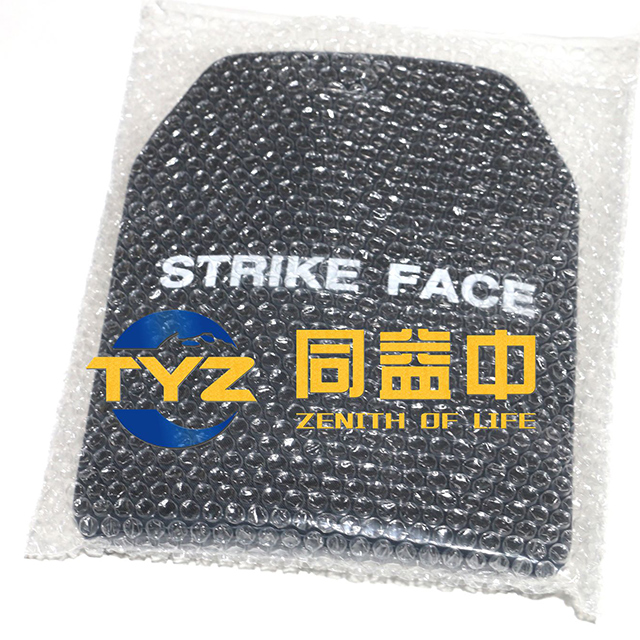
The RF category strictly governs rigid protective plates. RF classifications apply exclusively to hard body armor worn in plate carriers or tactical vests. You need these rigid structures to shatter high-velocity rifle projectiles. Soft fibers simply cannot stop rifle rounds safely.
RF1 officially replaces the legacy Level III rating. This tier stops 7.62x51mm M80 Ball (lead core) ammunition. It also defeats the 5.56mm M193 round and the 7.62x39mm Mild Steel Core commonly fired from AK-47 variants. RF1 plates offer excellent mobility due to their lighter weight. However, deploying RF1 carries a massive implementation risk. These plates remain fundamentally vulnerable to specialized steel-penetrator rounds like the 5.56mm M855.
RF2 represents the true milestone of the new standard. Historically, the industry called this "Level III+." The RF2 threat profile stops all RF1 threats plus the 5.56x45mm M855 (Green Tip). This creates a massive decision driver for procurement officers. The M855 cartridge dominates the domestic landscape. RF2 directly addresses this common AR-15 platform threat profile. Most importantly, it achieves this protection without enforcing the severe weight penalty of a Level IV plate. RF2 serves as the perfect middle ground for active shooter response.
RF3 replaces the legacy Level IV rating. It represents the absolute pinnacle of individual protection. RF3 plates defeat the devastating .30-06 M2 Armor Piercing (AP) round. The evaluation dimension here focuses entirely on maximum survivability. You survive the most extreme kinetic impacts imaginable. However, you suffer a maximum weight and thickness penalty in return. You should reserve RF3 plates for highly specialized operations.
Rifle rounds behave differently based on their internal construction. A lead-core bullet squashes upon impact. Lighter plates catch it easily. An armor-piercing round features a hardened steel or tungsten core. It refuses to squash. Instead, it drills directly into the plate materials. The new RF tiers categorize plates strictly by their ability to handle these different bullet constructions.
You need a logical framework to build your tactical loadout. Mapping specific features to distinct tactical outcomes ensures success. No single plate works perfectly for every single mission.
For urban and standard patrol environments, utilize a mixed approach. Officers should wear HG2 soft panels for daily wear. You then store RF2 plates in standard-issue active shooter response kits (ASRK) in the patrol vehicle. When a rifle threat emerges, the officer quickly dons the RF2 plate carrier over their uniform. This counters localized intermediate rifle threats perfectly. It keeps the officer agile during routine calls but protected during emergencies.
Static and high-threat environments demand a heavier approach. Choose RF3 plates for stationary defense posts or perimeter security. They also suit high-risk warrant executions perfectly. SWAT teams breaching fortified locations anticipate armor-piercing threats. The extra weight matters less during a short, intense raid than during a twelve-hour foot patrol.
Scalability and mobility dictate user effectiveness. You must aggressively assess the physical toll of armor. Equipping personnel with heavy RF3 plates causes serious downstream issues. If RF1 or RF2 covers 99% of your regional threats, forcing officers to wear RF3 leads to rapid fatigue. Knee and lower back injuries skyrocket. Decreased mobility results in reduced operational effectiveness. An officer who cannot sprint to cover is a vulnerable officer.
Material trade-offs interact heavily with the new RF classifications. You must understand basic material science. Pure Ultra-High-Molecular-Weight Polyethylene (UHMWPE) plates weigh very little. They float on water. They pass RF1 testing easily. However, pure PE plates cannot pass RF2. The steel penetrator in an M855 round slices right through the plastic fibers. You absolutely need a ceramic strike face to pass RF2 or RF3. The ceramic shatters the steel tip. The backing fibers then catch the fragments. If you want RF2 protection, you must accept the added weight of ceramic materials.
Do our officers frequently respond to calls involving AR-15 platforms? (If yes, mandate RF2 minimum).
Does our current plate inventory cause mobility issues during annual physical testing? (If yes, audit plate weights).
Are we operating in a rural environment where heavy hunting calibers are prevalent? (If yes, consider limited RF3 deployment).
Many agencies panic when a new standard launches. We must clarify the grandfathering of legacy armor. Your current NIJ 0101.06 Body Armor is not suddenly functionally obsolete. The fibers did not degrade overnight. Agencies and individuals can continue using unexpired Level IIIA, III, or IV armor. You maintain full legal and tactical compliance as long as the gear remains within its stated warranty lifespan.
Use a strict shortlisting logic when upgrading your arsenal. Follow these three steps:
Define the localized threat: Is the M855 prevalent in your specific jurisdiction? Analyze your local crime data. If M855 confiscations are rare, you might save money and weight by sticking to RF1.
Determine acceptable weight limits: Establish a maximum weight threshold per user. Calculate the total weight of the plate carrier, magazines, radio, and medical gear. Keep the total burden manageable.
Verify manufacturer presence: Search the official NIJ CPL under the new .07 standard. Do not accept substitute documentation. If the vendor is not on the list, move to a different vendor.
Your immediate purchasing action involves auditing your current inventory. Check every single expiration date. Most soft panels carry a five-year warranty. Hard plates often carry a five to ten-year warranty. Document which units expire this fiscal year. Align your replacement cycles with the growing availability of certified HG and RF products. You do not need to replace everything tomorrow. Simply ensure your next bulk purchase specifies the NIJ 0101.07 nomenclature.
Remember that a warranty dictates manufacturer liability, not necessarily the exact expiration of ballistic materials. However, department policy usually mandates replacement upon warranty expiration to limit liability. Plan your budgets at least two years ahead of major expiration clusters to avoid sudden funding shortfalls.
The NIJ 0101.07 standard successfully removes the dangerous ambiguity of the old classification system. By introducing the RF2 tier, the NIJ directly addressed the most pressing threat facing modern personnel: the M855 penetrator. We no longer rely on unregulated marketing buzzwords. We now have a clear, scientific baseline for procurement.
Successful procurement always relies on balancing realistic threat profiles against human limitations. You must weigh the desire for maximum protection against the strict mobility restrictions of the wearer. Equipping a patrol officer with excessive weight degrades their situational awareness and physical health over time.
We urge you to audit your current equipment today. Pull your plates from their carriers and inspect the manufacturing dates. Browse verified RF-compliant products and consult with a reputable armor specialist to modernize your kits efficiently.
A: No. Level III+ was an unregulated industry term. Marketers created it to show a plate stopped M855, but testing methods varied wildly between brands. RF2 is a strictly regulated government testing protocol. It finally standardizes this exact protection level, ensuring consistent performance across all certified manufacturers.
A: No. Your older armor remains completely viable. The NIJ allows the grandfathering of the .06 standard. As long as your Level IV plates remain within their manufacturer warranty lifespan and show no signs of physical damage, you can safely continue using them.
A: No. Pure polyethylene (UHMWPE) plates cannot stop the steel penetrator tips found in M855 rounds. The hardened steel cuts easily through the synthetic fibers. You absolutely need a plate equipped with a ceramic or composite strike face to achieve official RF2 and RF3 ratings.
A: ICW means a hard plate cannot achieve its stated threat rating independently. It requires you to wear a specific HG soft armor backer directly behind it. The hard plate and the soft panel work together synergistically to defeat the tested rifle rounds.