
 English
Views: 0 Author: Site Editor Publish Time: 2026-09-29 Origin: Site


Upgrading a vehicle for ballistic defense involves a critical engineering trade-off. Increasing ballistic protection fundamentally alters vehicle dynamics. It often degrades mechanical performance if you do not manage these changes properly. Defeating an active ballistic threat remains the primary goal for any security vehicle. However, a vehicle's ability to evade danger matters just as much. You must brake reliably, steer sharply, and operate legally within strict chassis limits to ensure occupant survival.
You must take a holistic approach when evaluating these modifications. Integrating reliable Vehicle Armor into a civilian or tactical chassis requires precision. Adding dense mass necessitates complementary chassis upgrades. You will discover how strategic material selection directly influences everyday drivability. We will explore how weight limits, braking physics, and suspension geometry interact. By understanding these principles, you can build a compliant, highly capable defensive platform.
Adding vehicle armor reduces available payload byte-for-byte; exceeding the Gross Vehicle Weight Rating (GVWR) creates severe mechanical and liability risks.
Increased mass exponentially increases kinetic energy, requiring specialized braking systems to prevent thermal fade and dangerously extended stopping distances.
Original equipment manufacturer (OEM) suspensions will degrade rapidly under armored weight, compromising evasive handling and rollover resistance.
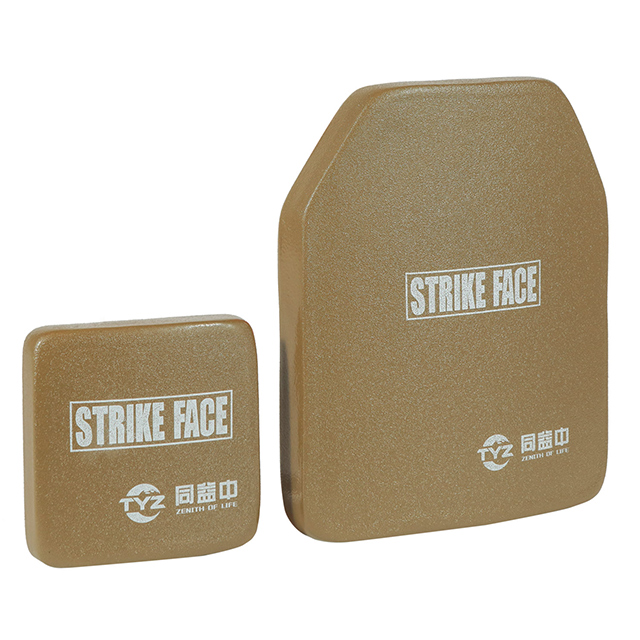
Advanced lightweight materials, such as UHMWPE armor, offer a strategic alternative to traditional steel, preserving vehicle mobility and reducing the need for extreme chassis modifications.
Every commercial vehicle operates under strict engineering limits defined by the manufacturer. Gross Vehicle Weight Rating (GVWR) represents the absolute maximum operating weight of a vehicle. This figure includes the chassis, engine, fluids, passengers, and cargo. Curb Weight refers to the vehicle's weight when completely empty but fueled. We find the maximum payload capacity through a simple, absolute formula: GVWR minus Curb Weight equals Maximum Payload Capacity.
You must understand the heavy toll we call the armor tax. Every single kilogram of ballistic glass consumes your original payload capacity. Reinforced pillars, steel door paneling, and heavy roof liners eat into the weight allowance previously reserved for passengers and gear. A standard SUV might offer 1,500 pounds of payload. If your armoring package weighs 1,400 pounds, you cannot legally or safely carry multiple passengers.
Operating near or above the GVWR introduces severe mechanical realities. Drivetrain components endure immense stress during every acceleration cycle. Transmissions overheat rapidly because they must torque significantly more mass than designed. Frame fatigue becomes a genuine threat over rough terrain. Furthermore, you face massive liability and compliance risks. Driving an illegally overloaded vehicle on public roads opens operators to severe legal consequences following an accident.
Buyers must adopt a strict decision lens before starting any project. You must calculate the projected armored weight before you even select a base chassis. This proactive math ensures sufficient functional payload remains post-conversion. Do not buy a light-duty truck expecting it to carry heavy rifle-rated plates and a full security team.
Stopping a moving vehicle relies entirely on fundamental physics. Increased vehicle weight directly affects kinetic energy. The physics equation states that energy equals one-half times mass times velocity squared. When you dramatically increase mass, the kinetic energy spikes. More mass requires significantly more mechanical friction to decelerate safely. Factory brake systems are simply not engineered to scrub off the energy of an armored truck.
Original equipment manufacturer (OEM) brake calipers, pads, and rotors react poorly to this continuous strain. They endure constant thermal overload when stopping armored weight. The friction materials heat up rapidly. Eventually, they exceed their maximum operating temperature. This causes brake fade. Heat fade creates a terrifying scenario during high-speed evasive maneuvers. Steep descents become incredibly dangerous when your brakes lose their gripping power.
Without proper upgrades, stopping distances increase drastically. This added distance directly reduces the driver’s reaction window during an ambush or security scenario. If an obstacle blocks your escape route, a longer stopping distance can mean a fatal collision. You cannot compromise on deceleration capabilities when lives are at stake.
You must implement mandatory interventions to restore factory braking performance safely. Upgraders must replace stock components with heavy-duty alternatives designed for severe duty cycles. Necessary upgrades include:
Slotted and drilled heavy-duty rotors to dissipate heat quickly.
Multi-piston calipers that apply stronger, more even pressure.
High-temperature brake pads formulated for extreme friction environments.
Stainless steel braided brake lines to prevent fluid expansion under heavy pressure.
Upgraded brake fluid with a higher boiling point to resist vapor lock.
An armored vehicle with an unmodified suspension loses nearly all evasive capability. Stock springs compress deeply under the constant static weight of the armoring panels. This causes severe body roll during cornering. Steering response feels incredibly sluggish because the chassis takes longer to settle. Furthermore, armoring high areas like windows and pillars creates a dangerous shift in the center of gravity. This makes the vehicle highly prone to rollover accidents.
Premature component failure is a guaranteed outcome if you ignore the suspension. OEM shocks, struts, and control arms will frequently bottom out. They strike the bump stops over minor road imperfections. These parts fail prematurely under constant, static armored compression. Bushings tear, shock seals blow out, and coil springs sag permanently. The vehicle will quickly become unsafe to drive at highway speeds.
You must follow a comprehensive suspension upgrade pathway. A proper retrofit requires high-capacity coil springs matched to the new weight. Installers must fit heavy-duty sway bars to control lateral movement and minimize body roll. Reinforced mounting points prevent the heavier suspension parts from tearing the factory chassis metal over rough terrain.
Buyers should demand strict evaluation criteria from their upfitters. You must demand a suspension package specifically rated for the final curb weight of the armored vehicle. Do not accept generic off-road upgrades. Off-road kits are designed for flexibility and articulation, not for supporting constant, heavy static loads on pavement. True armored vehicle suspensions prioritize load capacity and high-speed stability.
Ballistic steel stands as the legacy standard in the vehicle protection industry. It remains highly cost-effective and completely reliable for high-threat stopping power. Steel defeats incoming rounds through sheer hardness, shattering or flattening the projectile upon impact. However, it carries a critical drawback. Steel features extreme weight density. This density severely exacerbates every payload, braking, and mobility issue we have discussed.
Engineers now turn to lightweight solutions for modern upfitting. Advanced options like UHMWPE armor provide comparable protection levels against specific ballistic threats. Ultra-High Molecular Weight Polyethylene serves as an excellent decision-stage alternative. It catches projectiles in a dense web of fibers instead of shattering them. It accomplishes this feat at a fraction of the weight of traditional steel plates.
Understanding the cost versus performance trade-off helps buyers make informed decisions. UHMWPE requires a higher initial capital investment. The manufacturing process for advanced polyethylene is complex. However, it dramatically reduces drivetrain wear, preserves vital payload capacity, and minimizes the scope of necessary suspension and brake upgrades over the vehicle's lifespan.
Material Attribute | Traditional Ballistic Steel | UHMWPE |
|---|---|---|
Weight Density | Extremely High | Very Low |
Initial Material Cost | Low to Moderate | High |
Impact on Payload | Severe Reduction | Minimal Reduction |
Required Suspension Upgrades | Extensive / Mandatory | Moderate |
Material Thickness | Thin | Thicker |
Executing a successful protective build requires a structured approach. Buyers must evaluate the vehicle comprehensively to prevent catastrophic mechanical failures. Follow these specific steps to ensure your defensive platform remains highly capable.
Step 1: Threat vs. Chassis Assessment. You must match your required protection level to a capable base vehicle platform. If you require high-level BR6 rifle protection, you need a heavy-duty truck or a robust commercial chassis. A standard crossover SUV can only handle lightweight handgun protection (BR4).
Step 2: Total Weight Calculation. Demand completely transparent weight projections from your upfitters. They must factor in the full armor package and all structural reinforcements. You must also add the expected weight of human occupants, communication gear, and cargo loads. Check this final number against the chassis GVWR.
Step 3: Holistic Upfitting Integration. Ensure your quotes include all necessary dynamic upgrades. A vendor installing heavy plating without mandating suspension and brake upgrades is a massive red flag. Safety requires braking and handling modifications alongside the glass and steel.
Step 4: Long-Term Maintenance Planning. Factor in accelerated maintenance intervals. Running a heavier platform burns through consumables quickly. Plan to replace tires, brake pads, and drivetrain fluids much more frequently than the factory manual suggests.
Adding protective materials to any vehicle remains a complex engineering exercise in managing trade-offs. Security from ballistic threats must never result in a vehicle that cannot steer accurately. A heavily protected cabin becomes a trap if the vehicle cannot stop safely or carry its required load. You must respect the mechanical limits of the chassis.
Investing in advanced lightweight materials and demanding comprehensive chassis modifications are the only ways to maintain true operational readiness. Cutting corners on brakes or suspension directly endangers the occupants just as much as a ballistic threat would. Quality integration balances protection with maneuverability.
We encourage you to audit your current vehicle's payload limits today. Check the door jamb sticker for your GVWR. Consult with an engineering-first armoring specialist before purchasing any materials. They will help you spec a balanced, legally compliant protection system tailored to your specific security needs.
A: The added weight varies significantly based on the protection level and materials used. Light handgun protection (BR4) might add roughly 400 to 600 pounds. Upgrading to rifle-grade protection (BR6) in a full-size SUV can add 1,500 to 2,000 pounds or more when using traditional steel and thick ballistic glass.
A: No. Skipping these upgrades introduces severe safety risks. The added mass degrades handling, dramatically increases stopping distances, and causes rapid component failure. Operating heavily modified vehicles on stock chassis components creates a massive liability risk and fundamentally compromises evasive driving capabilities.
A: Yes, mathematically. Stripping OEM components like factory seats, spare tires, or heavy interior trims frees up some payload capacity. However, this yields minor gains. It is rarely enough to offset the massive weight of heavy steel plates without still requiring structural and mechanical upgrades.
A: While significantly lighter, advanced polyethylene panels are generally thicker than steel plates for the exact same threat level. This operational reality requires careful engineering and interior integration. Upfitters must strategically place these thicker panels inside door cavities and bulkheads without obstructing window mechanisms.